Yes, retractable screens can work with French doors. Many systems use two screen panels that pull from opposite sides of the doorway and meet in the center. When the screens aren't needed, the mesh rolls back into slim housings along the sides, leaving the French doors visible and the opening clear.
That makes retractable screens an appealing option if you want to open both doors for fresh air without adding permanent screen doors to the entrance.
The fit matters, though. French doors create a wider opening with no permanent center jamb, so the screen configuration, alignment, tracks, and closure all need to work together. Understanding those parts can also make it easier to spot common retractable screen door problems when something isn't working properly.

A manual retractable screen uses flexible mesh attached to a roller inside a narrow housing, sometimes called a cassette. The housing is mounted vertically along the side of the doorway.
Pull the screen across and the mesh travels through guides at the top and bottom of the opening. Release or open the screen according to the system's design, and the mesh rolls back into its housing.
French doors commonly require two of these screen assemblies. One is installed on each side, allowing the screens to extend toward each other and meet in the center. Depending on the product, a magnetic or mechanical closure can hold the two sides together.
This setup gives you several ways to use the doorway. You can screen the entire opening when both French doors are open, use one side for everyday traffic, or retract both screens when you want the doorway completely clear.
Because French doors vary in height, width, swing direction, handles, frames, and thresholds, accurate measurements are important. The screen needs to fit the opening without interfering with how either door operates.

Tracks, mesh, tension, rollers, and alignment all affect how a retractable screen moves. When a problem develops, the symptom can offer a useful clue about where to look.
If the screen becomes difficult to pull or doesn't retract as smoothly as it once did, check the tracks for visible dirt, leaves, pet hair, or grit.
Keep the tracks clean and follow the manufacturer's maintenance instructions before applying any lubricant.
When clean tracks don't solve the problem, uneven movement can indicate an issue with alignment, screen tension, or the roller mechanism. Avoid repeatedly forcing a screen that doesn't want to move. Doing so can damage the mesh or hardware.
An occasional impact against the mesh can knock some retractable screens out of position. Repeated problems are more concerning.
A screen that frequently comes loose may have worn guides, poor alignment, incorrect tension, or another fit issue. If the same section repeatedly comes out of place, simply putting it back into the track may not address the cause.
Retractable screen mesh should stay reasonably taut while it's extended across the doorway.
Sagging, bunching, or wrinkles may develop when the tension isn't correct or the mesh has become worn or damaged. Poor alignment can also affect how evenly the material travels into the housing.
If cleaning the tracks doesn't improve the way the mesh moves, the screen may need adjustment or repair.
Center alignment is particularly important with French doors.
Two screens that are supposed to meet in the middle shouldn't leave a significant opening for insects to pass through. A gap, uneven meeting point, or closure that won't connect properly can indicate an alignment, fit, or hardware problem.
The doorway itself can contribute, too. If the opening is out of square, getting two retractable panels to meet evenly can become more difficult.

A screen that worked well for years and recently started sticking may simply need cleaning or routine service.
A screen that has been difficult to operate since it was installed tells a different story.
Repeated derailment, uneven retraction, persistent gaps, poor center alignment, or difficulty opening and closing from the beginning can point toward measurement, installation, or mechanical issues.
This distinction is worth making before replacing parts. Cleaning debris won't correct a poorly fitted screen, while adjusting an entire system isn't necessary if grit in the track is causing the problem.

A retractable screen and a storm door can both allow ventilation while keeping insects outside, but they aren't designed to do exactly the same job.
The simplest distinction is this:
A retractable screen is primarily for fresh air and insect protection, and it disappears when you aren't using it.
A storm door is a permanent secondary exterior door that can add another layer between your primary door and outdoor weather.
The French-door configuration is especially important here.
Adding storm doors over a double-door opening can be more complicated than adding one to a standard single entry door. The system needs to accommodate both doors and the center of the opening. A retractable system avoids permanent secondary doors by storing the screen material along the sides instead.
If additional weather protection is your main concern, a storm door may still be the better fit. If you mainly want ventilation, insect protection, and an unobstructed view of the French doors when the screen isn't being used, a retractable screen is likely the more natural choice.
A good screen needs to do more than cover the opening. It should operate smoothly and fit the way you actually use the doors.
For French doors, consider:
If you have pets, children, or a doorway that gets frequent use, mesh durability may deserve additional attention.
For much larger openings, such as covered patios or expansive outdoor living areas, a motorized screen may make more sense than a manually operated door screen. That allows a larger screen to raise and lower without requiring the same side-to-side operation used at a typical French door.
One reason people choose French doors is their appearance. Large glass panels can bring more natural light into the room and create a visual connection with a patio, deck, or backyard.
A permanent secondary door changes that view even when it isn't being used.
Retractable screens take up much less visual space when they're open because most of the mesh is stored inside the side housings. The housings remain visible, but the screen itself isn't stretched across the glass all day.
For decorative French doors, that can be one of the biggest advantages of choosing a retractable design.
If you want fresh air through your French doors without permanently covering the opening with another set of doors, Conservation Construction of Dallas can discuss retractable screen options for your home.
Our team can look at the size and configuration of your doorway, how you plan to use the opening, and the screen options available for the space. Conservation Construction of Dallas also offers screen solutions for larger outdoor areas, including motorized retractable screens for patios and other wide openings.
Explore our retractable screen options or contact Conservation Construction of Dallas to request a free estimate and find the right screen setup for your home.
If your gutters overflow during heavy rain, a clog is not always to blame. The problem may be the size of the gutter, the number of downspouts, the pitch of the gutter run, or a sagging section that keeps water from reaching the outlet.
These problems often become more obvious during heavier storms. A gutter system that handles light rain without trouble can struggle when a large roof sheds a high volume of water in a short period.
Knowing what to look for can tell you whether you're dealing with routine maintenance or a gutter system that wasn't sized, pitched, or supported correctly.

Five-inch and 6-inch K-style gutters are common choices for residential properties, but house size alone doesn't tell you which one you need.
The more important question is how much water each section of gutter will need to carry. Several factors affect gutter sizing:
A steep roof can shed water faster than a low-slope roof. A roof valley can also funnel runoff from multiple sections toward one relatively small stretch of gutter. This explains why one gutter may perform without trouble while another side of the same house regularly overflows.
Five-inch gutters are widely used on residential properties and may provide enough capacity for many typical roof layouts. Larger 6-inch gutters provide more capacity and may be considered for larger roof areas, steeper pitches, long gutter runs, areas with intense rainfall, or roof designs that concentrate water into certain sections.
Larger isn't automatically better. The gutter, outlets, and downspouts need to work together. Increasing gutter capacity without providing enough drainage at the outlets can leave the same bottleneck in place.
Look at a properly installed gutter from the ground and it may appear level. Look more closely, and there should be a slight pitch directing water toward a downspout.
A commonly referenced starting point for gutter slope is around 1/4 inch of fall for every 10 feet of gutter. This is a general rule of thumb, not a measurement that should automatically be applied to every installation.
The appropriate pitch depends on the length and layout of the gutter run, downspout locations, roofline, and other installation conditions.
For a shorter gutter with an outlet at one end, the pitch may run in one direction. A longer run with downspouts at opposite ends may be configured differently so water doesn't have to travel the entire length before reaching an outlet.
What matters is the result. Water should move toward the downspouts rather than collecting in low spots.
If a significant amount of water remains in one section after the rain stops, the gutter may have lost its proper pitch or started to sag.
Standing water adds weight and places additional stress on the hangers and attachment points. Left unresolved, the low section may gradually drop farther and make drainage even more difficult.
A small amount of residual water doesn't necessarily indicate a major problem. Consistent pooling in the same section deserves a closer look.
A common starting point is one downspout for roughly every 30 to 40 feet of gutter, but roof area and drainage capacity matter more than spacing alone.
Consider two 40-foot gutter runs. One might drain a relatively small roof section with a gentle pitch. The other could collect water from a large, steep roof with a valley emptying directly above it.
Those gutters may need very different drainage setups even though they're the same length.
Downspout size matters as well. Residential systems commonly use 2-by-3-inch or larger 3-by-4-inch downspouts depending on the gutter system and required drainage capacity. A larger opening can move more water and makes it easier for larger pieces of debris to pass through.
If a gutter can hold the incoming rainwater but can't empty quickly enough, increasing gutter size alone won't solve the problem. The outlets and downspouts also need enough capacity to keep up.

Where the overflow occurs can provide useful clues about what's going wrong.
Instead of immediately assuming the entire gutter system needs replacement, pay attention to what happens during the next moderate or heavy rain. Many drainage patterns can be spotted safely from the ground.
When water backs up and spills over near an outlet, start with the downspout.
A blockage is one possibility. However, a clear downspout can still have trouble if it is undersized or expected to drain too much roof area.
You may also see this problem on a long gutter run that has only one outlet. Water reaches the downspout faster than the outlet can move it away, causing the gutter to fill near that end.
Overflow in the middle of a gutter can point toward a pitch or support problem.
A sagging section creates a low spot where water collects instead of continuing toward the downspout. Once that area fills, water spills over the edge.
An undersized gutter or inadequate downspout capacity can produce similar symptoms during especially heavy rain. The entire run should be evaluated rather than concentrating only on the point where water spills over.
Sometimes the gutter isn't actually overflowing.
Fast-moving runoff may travel down the roof and shoot past the gutter before it has a chance to enter the channel. Steep roof sections and valleys are common places for this to happen.
A valley can concentrate runoff from multiple roof surfaces into a narrow area, sending a large amount of water toward one section of gutter at once. Gutter position, capacity, and roof configuration can all contribute to the problem.
Clean gutters that repeatedly overflow are a good reason to look beyond maintenance.
Possible causes include:
Don't assume a larger gutter will automatically correct the problem. If the real restriction is a poorly placed or undersized downspout, replacing the gutter without addressing the outlet could leave you with the same drainage issue.
If leaves, twigs, roof granules, or other debris are present, clean the gutters first. This rules out a basic blockage before you start investigating sizing or installation problems.

Gutter guards can reduce the amount of leaves, twigs, and larger debris that enter the gutter, which can lower the chance of clogs forming around outlets and downspouts.
They do not fix an undersized or poorly installed gutter system, though.
If your gutters have the wrong slope, too few downspouts, inadequate capacity, or sagging sections, adding a gutter guard will not correct those problems. Water still needs enough room to enter the gutter and move efficiently toward the outlets.
Gutter guards are most useful when the gutter system is already properly sized and draining as intended. They can reduce routine debris buildup and make it easier to keep water moving through the system, particularly around homes with nearby trees.
Different gutter guard designs handle water and debris differently, so the product should also be matched to the gutter system rather than treated as a universal solution.
For a new gutter installation, it can make sense to consider gutter protection at the same time as gutter size, downspout placement, and drainage. That allows the entire system to be planned together instead of adding a cover later without addressing the underlying setup.

A visible gap between the gutter and fascia isn't just an appearance problem. It can indicate an issue with the gutter's support, drainage, or the material it's attached to.
Poor drainage can be part of the problem. If improper pitch or a sagging section allows water to remain after every storm, that water continually adds weight. Wet leaves and other debris can make the load even heavier.
Loose, damaged, or poorly spaced hangers may allow the gutter to drop. Problems with the fascia behind those fasteners can weaken the attachment point as well.
These issues can also build on one another.
A gutter may begin overflowing and repeatedly expose the fascia to water. If the attachment area deteriorates, the gutter can start moving away from the roofline. That movement may create a low spot, allowing more water to collect and placing additional weight on the gutter and its fasteners.
Simply pushing the gutter back into position doesn't correct the drainage or attachment problem that caused it to move.

A gutter system hasn't finished its job when water reaches the bottom of a downspout. That water still needs somewhere to go.
If downspouts discharge roof runoff immediately beside the foundation, water can collect around the house instead of moving away from it.
Depending on the property, downspout extensions, proper grading, or another drainage solution may be used to direct runoff farther from the structure.
The next time it rains, look at where the downspouts discharge. Water should have a clear path away from the house rather than repeatedly pooling near the foundation.
A single loose hanger or clogged downspout doesn't necessarily call for a new gutter system.
Replacement becomes more reasonable when problems occur throughout the system or keep returning after basic maintenance and repairs.
It may be time to consider replacement if you have:
Seamless gutters can also reduce the number of joints along long gutter runs compared with systems assembled from multiple shorter sections. Fewer seams mean fewer connection points where leaks can potentially develop as the system ages.
The important part is correcting the cause of the drainage problem rather than replacing damaged sections with an identical setup that wasn't performing properly in the first place.
When gutters overflow, sag, or pull away, replacing a damaged piece may solve what you can see without correcting what caused it.
A complete gutter system needs to move rainwater through several stages: off the roof, into the gutter, toward an outlet, through the downspout, and away from the house. Gutter size, slope, downspout capacity, and secure installation all play a role in keeping that path open.
If your gutters are clean but still overflow, hold standing water, sag, or separate from the fascia, the system may need a closer evaluation.
Conservation Construction of Dallas installs seamless aluminum gutters for homes throughout the Dallas area. Rather than replacing a problem gutter with the same setup, our team can evaluate your existing system and discuss gutter options based on your home's roofline and drainage needs.
Our seamless aluminum gutters are available in multiple colors, with gutter-cover options available for additional protection against leaves and debris.
Contact Conservation Construction of Dallas to request a free quote for gutter installation and find the right setup for your home.
Thank you for joining us for today’s article, in which we will be discussing new vinyl siding and water protection. New Vinyl Siding is great at protecting your home from water damage. Keep reading to learn more about this extraordinary siding and when it may be time to get a new siding installation. It may be time to get new siding sooner than you think; here’s why . . .
Ask yourself if you're already experiencing water damage from your old siding. It’s very easy to check problems like this by just doing a basic visual inspection of your house. Just walk up to the panels on the side of your house and see if they look waterlogged. You can tell if panels are damaged by water, if they have bubbles or cracks, or if the wood feels wet. If any of these things occur, it’s time to get new siding to ensure that the water doesn’t cause more damage down the line.
Vinyl siding itself is waterproof and directs most water flow away from the exterior, but even a small gap can allow water through. That’s why we use a special house wrap that lets the siding breathe. If any little bit of water gets behind the siding, the house wrap works with the wind to dry and water out so it doesn’t cause damage. One of the primary functions of vinyl siding is to help prevent water from making its way inside your home. With this specialty system, you’ll get just that. So you don’t have to be afraid of any damage the next time the storms blow by because you’ll have supreme protection with new Vinyl Siding.
Poorly installed siding can lead to water damage,e even if it’s brand-new siding that you just purchased. At Conservation Construction, we know this better than any other company. That’s why we have an expert team that has decades of experience installing siding. With so much experience, our team has the knowledge and tools to get your siding replacement job done the right way the first time. This way it’s protective and energy efficient from the time it’s installed and for decades to come.
Vinyl siding is designed to keep your home warm and dry and offers a low-maintenance, long-term solution for any climate. Combined with quality insulation and expert installation, vinyl siding can improve energy efficiency and help create a more comfortable, attractive home. People who switch to new Vinyl Siding can expect a drop in their energy costs by up to 40%. This means more comfortable inside temperatures all year long.
The best perk of new Vinyl Siding is that it gives you long-lasting, vibrant beauty. You can mix and match colors for additional texture. Vinyl Siding is fade-resistant, so you won’t be painting your house again, not for a very, very long time. You really get the look and feel of a new home without ever having to move.
New Vinyl Siding gives you long-lasting protection against water damage. In addition, you’ll get energy efficiency and a vibrant color. If you are in need of new siding replacement for your home, consider new Vinyl Siding Replacement through Conservation Construction. Get your free quote for siding replacement by clicking here. Thanks for reading and commenting below with what you’ve learned from today’s article.
The quickest way to add equity back into your home and save energy is to get new exterior products like Windows, Siding, and Doors. Why do these products save you so much on your energy costs? Why do they help your Heater kick on less in the winter? Keep reading to learn how new exterior products could save you a ton of money in the long run.

While new windows can be a significant investment upfront, their long-term energy savings can offset the initial costs and lead to substantial financial benefits over time. New windows, especially the ones from Conservation Construction, give you multiple properties that can save you money off your energy costs, including;
Working together, all of these things can reduce the amount of energy that leaks out of your house and the amount of heat that comes in. On average, people who switch to new windows from Conservation Construction can see a reduction in their energy costs by up to 35%.
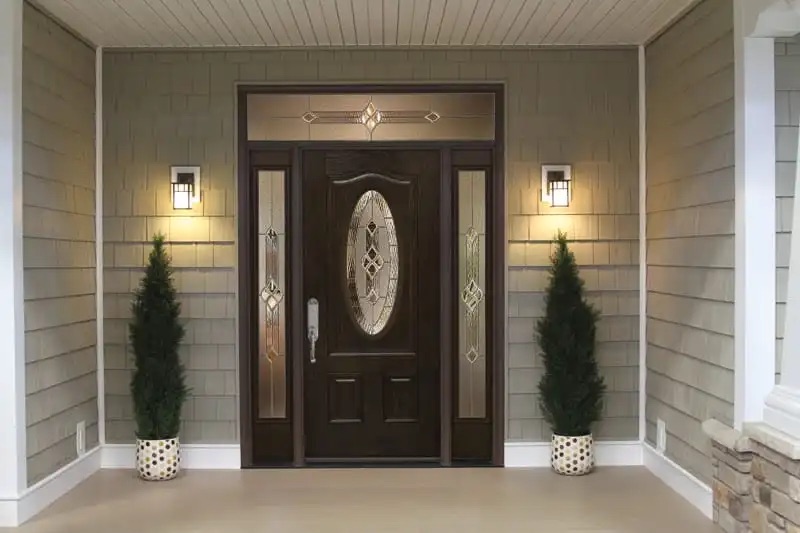
Front Door Replacement has many of the same quality new windows have in regards to their energy-saving properties. New front doors offer enhanced insulation. New front doors are typically designed with better insulation, just like new windows. The doors we sell at Conservation Construction of Dallas have a core that includes insulating materials like polyurethane foam, which helps to reduce heat transfer. This enhanced insulation prevents outside air from seeping into your home and conditioned air from escaping, reducing energy consumption. In addition, they include:
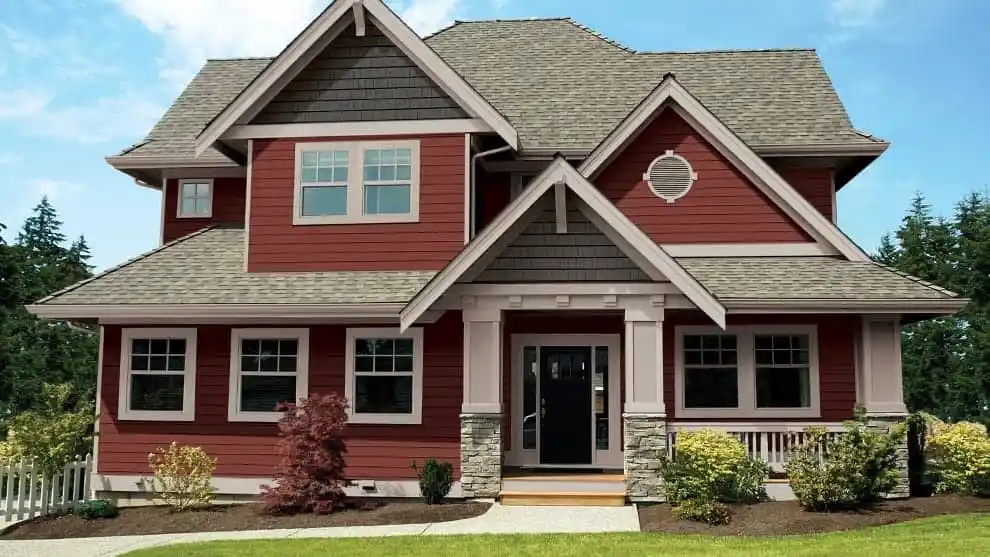
Finally, Siding Replacements, which we sell at Conservation Construction of Dallas, can save you money on your energy costs. Upgrading your siding allows you to choose materials with better insulation properties like our Cedar Ridge, Vinyl, and James Hardie Siding options. All are known to save the average homeowner huge amounts on their total energy costs year-round. Not to mention, they can make your home feel more comfortable inside. Other materials that add to the energy-saving properties are;
We hope you learned that switching out even one of your old exterior products for new ones can help improve the overall energy efficiency in your home. If you need windows, siding, or doors, please get in touch with us today for a free quote. We can’t wait to hear from you, so please comment below. We will see you next week for another article.
Don’t believe all the myths you hear about Window and Door Replacement. When it comes to windows and doors, there are a ton of misconceptions out there. In today’s article, we’ll debunk some of the most common misconceptions about these replacements and maybe even give you some great information on your home improvement projects moving forward.
Replacing Windows and Doors will cost me more money than it will save.
People all say, “It wouldn’t be worth it financially in the long run to replace my windows and doors.” So they spend years putting up with old windows and doors that don’t function, are cracked, and are letting in all the air from outside. While it is true that replacing your windows and doors does require an initial investment, it is a valuable investment to your home in the long term. Did you know that out-of-date windows and doors account for 25%-40% of energy loss in a home? They could be costing you way more than you even realize. That’s a scary number when you consider how much you run your AC in the Summer and furnace in the Winter. New Windows and Doors are virtually maintenance-free, too, so you won’t have to upkeep them like other items in your home.
Repairing Is Better Than Replacing
There are a lot of people out there who think that repairing is the way to go. This doesn’t give you the energy efficiency you’re hoping for in the long run. It may look different and even feel different, but lurking underneath those superficial changes is still an old, inefficient structure. Opting for new, modern, high-performance, and technologically sound windows and doors offers you the cosmetic look you desire and saves you money in the long run. Efficient, state-of-the-art products like the ones at Conservation Construction of Dallas give you relief from your high energy bills. Our Windows and Doors can save up to 40% of your energy costs.
All Windows and Doors Are Created Equally
So not true! There are different types of windows and doors, and each has its unique benefits and drawbacks. For example, double-pane windows are much more energy efficient than single-pane ones but are also more expensive. Fiberglass and Steel Entry Doors give you better energy efficiency than Wood Doors. New Entry Doors can come in a wide variety of styles, too. So, you'll need to decide what's most important to you before you choose which type of window or door to buy.
Anyone can install Windows and Doors.
This is another myth that is simply not true. Energy-efficient windows and doors are inefficient unless installed by professionals who know what they are doing. The experts at Conservation Construction of Dallas have decades of experience to get your job done correctly the first time. This means your windows will provide optimum energy efficiency and protection against the outside from the first day they are installed and for decades after that.
These are just some of the myths that come along with Window and Door Replacement. Have you heard any other weird myths you’d like us to debunk? Let us know in the comments below. Please visit our website for a free new Window or Door replacement quote. Thank you for reading, and we will see you next week for another article.
How Can Patio Doors Save Money?
Patio doors can potentially save you money in various ways by improving energy efficiency, increasing natural light, and enhancing the value of your home. Keep reading to learn more.
Energy Efficiency
Modern patio doors, like the ones we have at Conservation Construction of Dallas, come with advanced insulation materials and technologies. Our doors come with 4 coatings of Low-E (low-emissivity) glass and thermal breaks. These features help to minimize heat transfer between the interior and exterior of your home. By preventing drafts and maintaining a stable indoor temperature, you can reduce your reliance on heating and cooling systems. In fact, customers who switch to energy efficient patio doors from Conservation Construction can see a reduction in their energy bills by up to 40% off.
Natural Light and Passive Solar Heat
Patio doors, especially those with large glass panels, allow ample natural light to enter your home. This reduces the need for artificial lighting during the daytime, saving on electricity costs. Additionally, during colder months, the sunlight that enters through the doors can provide passive solar heat, reducing the need for heating. This is so neat, right? I bet you never thought that patio doors could save you money this way.
Ventilation and Cooling
During warmer seasons, our properly designed patio doors can provide effective cross-ventilation, allowing fresh air to flow through your home. This can reduce the need for air conditioning and help maintain a comfortable indoor environment without excessive energy consumption.
Increased Home Value
Our high-quality patio doors can enhance the aesthetics of your home and increase its overall value. Potential homebuyers often appreciate the presence of great looking glass, smooth operation, and energy efficiency that new patio doors offer. This can make your property more attractive in the real estate market.
Reduced Maintenance
Our modern patio doors are designed with durable materials like vinyl that require minimal maintenance. This can save you money on repairs and upkeep over time.
Indoor Air Quality
The High-quality patio doors we sell at Conservation Construction equip your home with proper sealing. This can help improve indoor air quality by preventing outdoor pollutants and allergens from entering your home. This can lead to potential savings on healthcare costs related to respiratory issues.
Long-Term Investment
While there may be an initial upfront cost for purchasing and installing quality patio doors, the long-term savings in terms of energy efficiency and home value far outweigh the initial investment.
Final Thoughts
It's important to note that new patio doors can save you money by creating better energy efficiency in your home, giving you a tighter seal to prevent air infiltration, and give you a higher asking price when it comes time to sell. If you are in need of a new patio door you can contact us today through our website for your free quote. Thank you for reading today’s article and we can’t wait for you to read another one. Please comment below with what you’ve learned from this article.
If you’re looking for replacement Siding and have found this article, you are asking the right questions. It sometimes seems like an insurmountable task to have to consider replacing the entire outside of your current home, but sometimes things need to get done. So it’s important to do the research and, lucky for you, research can start right here. New siding adds curb appeal and protection. Just like clothing or home decor every person on the planet has different needs and wants when it comes to siding. There are several types of Siding out on the market which meet different kinds of needs.
First, it’s important to ask the tough questions, but also the correct questions. What are you really needing out of your siding? Are you looking for the cheapest route? Long term durability? Are you wanting a new look for your home with new colors and textures? Protection from storms? These are all great questions to ask as you begin the entire process. Different types of siding will give you different aspects of each of the attributes listed above.
The most popular siding today is . . . Vinyl Siding. Because of its ease of installation, labor costs go down with Vinyl Siding. Most new builds have it because it’s the most cost-effective siding on the market. This is not to say that Vinyl Siding doesn’t have some pretty extraordinary properties as well. It’s grown quite a bit over the years from melting off the sides of houses to the durability it has today. Vinyl siding is wind resistant for up to 145mph. It also never needs to get painted again so this will save you costs down the line. The pros and cons of Vinyl Siding are not as drastic as they used to be. There’s really hardly any cons to getting Vinyl Siding except that it is just not as impact resistant as other siding on the market today. It’s really quite a durable and beautiful replacement siding. Vinyl siding is perfect for individuals trying to keep costs down, and still looking for practicality out of their siding.
Old wood clapboard or wood shingle siding was not the best siding ever placed on houses. This siding allowed water to get under the panels and this lead to mold and water damage. Luckily today we have a new type of engineered wood siding. This composite material, known as Cedar Ridge Siding, is incredibly durable and impact resistant. It’s able to withstand winds of up to 165mph. On top of this, it uses Nepoor technology which makes it the most insulating siding on the market today. In addition, because of this insulation, it reduces noise by up to 45% in a home and reduces energy costs by up to 30%. Cedar Ridge Siding is exclusive to a handful of companies and Conservation Construction is one of these companies. Lastly, it has mix and match color technology so you can get a unique look that is totally you. Cedar Ridge Siding is perfect for those looking for a quiet and more insulated home with a bold pop of color!
James Hardie Fiber Cement Siding is the final Siding we’re going to cover in the article today, and it’s the second most popular siding on the market. The benefits of Fiber Cement Siding are just as unique as the two sidings listed above. Fiber Cement is made out of a mix of cement and cellulose fibers. It’s this that makes it resistant to pests and fire. In fact, of all the sidings on our list today it is the only one rated for fire resistance. It’s has a high impact resistance as well. This siding is very hard to install and requires two people to carry the individual pieces, because of this, it means it has the highest labor costs of any siding listed above. Lastly, it has unique baked on color technology. This siding doesn’t fade and will never have to be painted again. Fiber Cement Siding is perfect for those individuals who want their siding to last for generations.
With so many siding products on the market today and their being a variety of options, it’s easy to get a strong, long-lasting siding, but it is hard to know which will fit your lifestyle best. Hopefully, this article has helped you navigate these rocky waters and assisted you to getting some more information on which type of siding would be best for your future renovation.
We encourage you to ask yourself of the sidings above which one would fit your lifestyle best? Comment below on what your dream siding would be. We’d love to hear from you and remember to visit our website to get your free estimate on siding, and for more information on our other phenomenal products such as windows, doors and patio doors.
The vinyl siding of 2024 is not the vinyl siding of the 1960s. Vinyl siding made its way onto the home siding marketplace in the 1960s, and as with any invention, vast technological improvements have been made by vinyl siding manufacturers since this siding first appeared over a half century ago.
Wear And Tear
Older vinyl siding commonly used through the 1980s through early 2000s has a shelf life of approximately 20-25 years. Since the color was only in the thin capstock layer of the extrusion, scratches would expose the underlying substrate of the vinyl siding, which was a different color and causing unsightly chips and cracks. Modern vinyl siding today uses better bonding technologies to ensure chipping, cracking, warping, and other forms of weather wear are a thing of the past. In fact, new vinyl siding is so great at resisting weather and sun fade it never needs to get painted again! How cool is that?
Old Technology
Vinyl siding used to melt when exposed to high temperatures, and people would regularly run into this in the past. Of course this was a huge problem and had to be corrected. New Vinyl Siding has been engineered over the past decades to ensure this problem stays in the past. New vinyl siding keeps its integrity and holds up to heat, wind, and other extreme temperatures much more easily than vinyl siding of the past would have.
How Long Does New Vinyl Siding Last
Today's vinyl siding is far more durable than the vinyl siding that was invented in the 1960s to replace aluminum. Typically, vinyl siding lasts between 20 and 40 years. It lasts this long with very little maintenance required over time. When properly maintained, your vinyl siding will last decades. While other materials require painting and caulking, vinyl needs a simple bucket of warm water and some mild soap to be cleaned about once a year.
Real Wood Look
You may be thinking, vinyl siding can't possibly imitate the beauty of real wood siding. Well, it can and it does. If you have a more traditional or classic style home, you probably want to keep that style instead of throwing on some modern looking siding and vinyl does just that. You can get panels that look just like real wood or you can choose from panels with a more modern twist. Whatever style you want, we have you and your house covered. Conservation Construction has tons of vinyl siding styles to choose from!
Final Thoughts
As you can see vinyl siding has come a long way from the early 1960s to today. It is more durable, vibrant, and protective than ever before. If you are in need of new vinyl siding replacement please contact us today to get your free quote. Thank you so much for reading today’s article and we will see you next week for another one.
When it comes to home exteriors, siding plays a crucial role in both aesthetics and protection. Advances in manufacturing have led to siding options that mimic the appearance of real wood, providing you with a blend of beauty and durability. Here are a few reasons why modern siding can convincingly resemble real wood.
Our siding products are made from engineered materials, such as fiber cement and vinyl, which can be designed to replicate the texture and grain of wood. These materials we sell are crafted using advanced printing and molding techniques that capture the nuances of natural wood, resulting in a highly realistic finish. From close up or far away these panels mimic wood so well you can’t tell the difference between them and real wood.
Our manufacturers use specialized finishes and textures to enhance the wood-like appearance of siding. Techniques such as embossing or applying a wood grain pattern create depth and realism. Additionally, high-quality paints and stains on our siding can be used to replicate the look of various wood species, giving homeowners a range of options to choose from. You can even get a specialty wood grain texture with our Cedar Ridge Siding. Ask a professional today which siding would work best for your home with the style you like the most.
Unlike real wood, which requires regular maintenance to prevent rot and insect damage, synthetic siding options are designed for durability and low upkeep. This means that homeowners can enjoy the beauty of wood without the associated maintenance worries. our siding products come with lifetime warranties and are resistant to fading, cracking, and warping.
Siding that mimics the look of real wood combines aesthetic appeal with practical benefits. With advancements in materials and technology, homeowners can enjoy the warmth and charm of wood siding without the drawbacks, making it an attractive choice for any home exterior. If you are in need of a free quotes please reach out to us today for your free quote. Thank you for reading today’s article and we will see you next week for another one.
When it comes to enhancing the aesthetic appeal of a home, front doors play a crucial role. One technique that has gained popularity in recent years is embossing. This decorative method not only adds visual interest, but also offers functional benefits. Here’s a closer look at what embossing is, its types, and its advantages when applied to front doors.
Embossing is a manufacturing process that creates raised designs or patterns on a surface. In the context of front doors, this technique involves pressing or stamping materials—fiberglass or steel—to form intricate patterns. The result is a textured appearance that can range from subtle to highly detailed, transforming an ordinary door into a stunning focal point.
Embossing on front doors is more than just a decorative feature; it’s a combination of artistry and functionality. Whether you choose a classic wooden door with a subtle grain or a bold metal door with striking designs, embossing can significantly enhance your home's curb appeal while providing practical benefits. If you seek a unique way to express your style, embossed doors stand out as an elegant and functional choice. If you are in need of a new front door contact us today to get your free quote. You can design your door from the ground up. Thank you for reading today’s article and we will see you next week for another article.
