
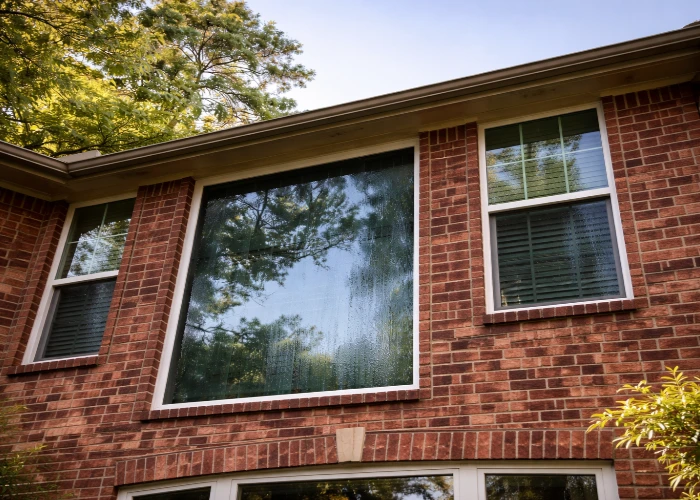
Noticing moisture on your windows can be confusing and sometimes concerning. You might wonder if it’s a normal part of changing weather, a sign of humidity inside your home, or an indication that your windows aren’t performing as they should.
The truth is, some window condensation is normal, while other types can signal a deeper issue, such as a window seal failure or air leaks. Understanding the difference can help you decide whether a simple adjustment is enough or if it’s time to consider repairs or window replacement.
This guide breaks down what your windows may be telling you, without scare tactics or guesswork.
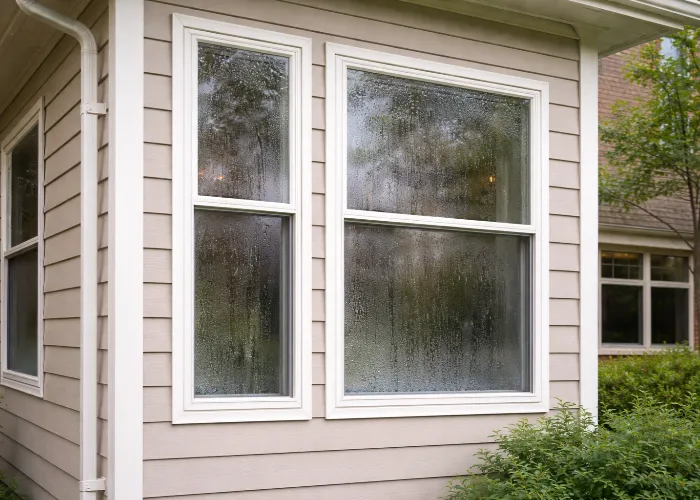
In many homes, condensation forms when warm, moist indoor air comes into contact with cooler glass. This is especially common during colder months, early mornings, or after activities that raise indoor humidity like cooking or showering.
Normal condensation usually:
In these cases, the windows are often doing their job — the moisture is simply reacting to indoor conditions. Improving ventilation, running exhaust fans, or managing humidity levels can reduce this type of condensation.

If you’re seeing fog, moisture, or droplets between the panes of glass, that’s different. This space is meant to be airtight and dry. When condensation forms there and doesn’t go away, it’s usually a sign that the window’s insulated seal has failed.
Common window seal failure signs include:
When a seal fails, the insulating gases escape and moisture enters the unit. While the window may still look intact, its ability to insulate and regulate temperature is reduced.
Feeling a draft near a closed window doesn’t always mean the glass has failed. Drafts are often caused by air slipping through gaps around the window frame rather than through the glass itself.
Drafts are commonly caused by:
If you notice cool air near the edges of the window, uneven room temperatures, or increased heating and cooling usage, air leakage around the frame may be the issue. In some cases, resealing or weatherproofing can help. In others, especially with older windows, replacement may be more effective.
Windows play a key role in controlling heat transfer. When seals fail or air leaks develop, conditioned air escapes and outdoor air enters more easily. Over time, this can lead to:
Even small performance issues can add up, especially in homes with multiple aging windows.

Not every window issue requires immediate replacement. However, replacement is often the best long-term solution when:
Modern replacement windows are designed with improved insulation, tighter seals, and better overall performance. When installed properly, they help maintain comfort, reduce energy loss, and support long-term efficiency.
If you’re unsure, a professional evaluation can help determine whether repair or replacement is the right next step.
If you’re noticing condensation or drafts, start by observing patterns:
These clues can help identify whether the issue is humidity-related, seal-related, or due to air leakage. From there, you can decide whether simple adjustments, repairs, or new windows make the most sense for your home.
So, is it normal for windows to have condensation? Sometimes, yes. But when moisture becomes persistent, appears between panes, or is paired with drafts and rising energy costs, it’s often a sign that your windows are no longer performing as they should.
Understanding what your windows are telling you puts you in control — allowing you to make informed decisions that support comfort, efficiency, and long-term home performance.
If your windows are showing signs of seal failure, persistent condensation, or ongoing drafts, it may be time to take a closer look. The right solution isn’t always obvious, and guessing can lead to wasted time and money.
At Conservation Construction of Dallas, we help homeowners understand exactly what’s going on with their windows and what options make the most sense. No pressure, no upselling, just clear answers and honest recommendations.
Schedule a free consultation today and find out whether a simple fix will do the job or if it’s time for an upgrade that improves comfort, efficiency, and long-term performance.
